15 Best Family-Friendly Dog Breeds for Kids & Families
Introduction
Choosing a dog for your family is about more than finding a breed that looks cute or has a reputation for being friendly. The best family dog is one whose temperament, energy level, size, training needs, and care requirements fit your household.
A Labrador Retriever may be a fantastic choice for an active family with plenty of time for walks and play, while a smaller companion breed may work better for a household with limited space. Families with young children may also have different needs from those with teenagers.
It is also important to remember that no dog breed is automatically perfect for every family. Individual temperament, socialization, training, supervision, and the way children interact with the dog all matter.
With that in mind, here are some of the best family-friendly dog breeds to consider.
| Dog Breed | Size | Energy Level | Trainability | Shedding | Best For |
|---|---|---|---|---|---|
| Labrador Retriever | Large | High | High | High | Active families |
| Golden Retriever | Large | High | High | High | Active families with children |
| Beagle | Small–Medium | High | Moderate | Moderate | Playful families |
| Cavalier King Charles Spaniel | Small | Moderate | High | Moderate | Families wanting a smaller companion |
| Poodle | Small–Large | Moderate–High | High | Low | Families that enjoy training |
| Collie | Medium–Large | Moderate–High | High | Moderate–High | Attentive, active families |
| Cocker Spaniel | Medium | High | High | Moderate–High | Playful families |
| Bernese Mountain Dog | Large | Moderate | Moderate–High | High | Families with plenty of space |
| Newfoundland | Giant | Moderate | High | High | Families wanting a gentle giant |
| Boxer | Large | High | High | Moderate | Active families with older children |
| Bichon Frise | Small | Moderate | High | Low | Smaller homes |
| French Bulldog | Small–Medium | Low–Moderate | Moderate | Low–Moderate | Lower-exercise households |
| Irish Setter | Large | Very High | High | Moderate | Very active families |
| Shih Tzu | Small | Low–Moderate | Moderate | Low–Moderate | Companion-focused families |
| Mixed Breed | Varies | Varies | Varies | Varies | Families choosing based on individual temperament |
What Makes a Dog Family-Friendly?
Before choosing a breed, look beyond popularity. A family-friendly dog should fit the realities of your home and daily routine.
Temperament
A calm, sociable, and people-oriented temperament can make a dog easier to live with in a busy family household. However, individual dogs can vary considerably, even within the same breed.
Energy Level
An energetic dog may be an excellent companion for a family that enjoys hiking, running, or outdoor play. That same dog may become difficult to manage in a household that cannot provide enough daily activity.
Size
Size matters, but bigger does not automatically mean better or worse with children. A large, enthusiastic dog can accidentally knock over a small child, while some small dogs may dislike rough handling.
Trainability
A dog that responds well to training can be easier for a family to manage. Basic obedience is especially important when children are learning how to live safely with a new pet.
Grooming and Maintenance
Consider shedding, brushing, bathing, exercise, and other routine care before choosing a breed. A dog that fits your family temperamentally may still be a poor practical match if its care requirements are unrealistic for your household.
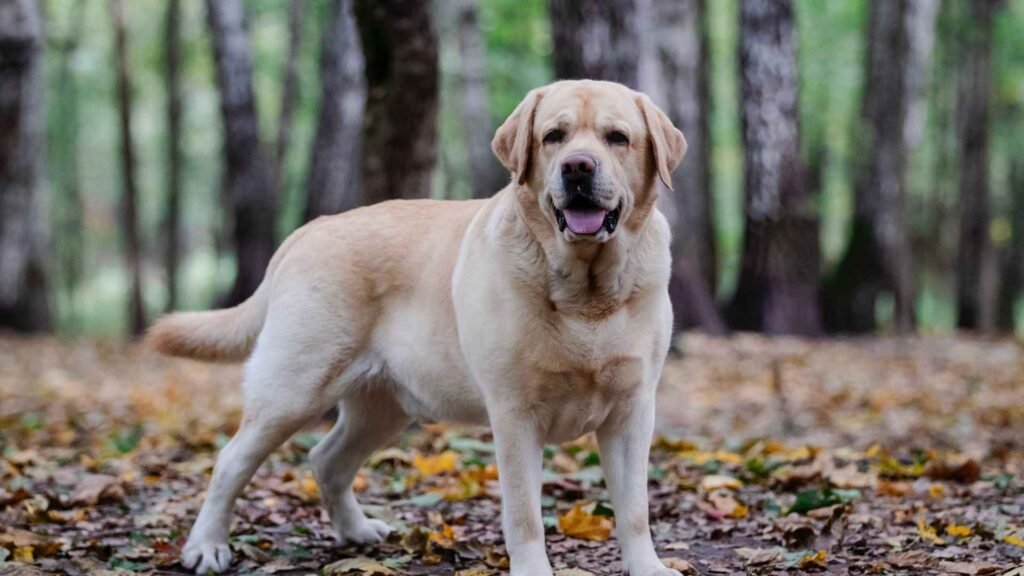
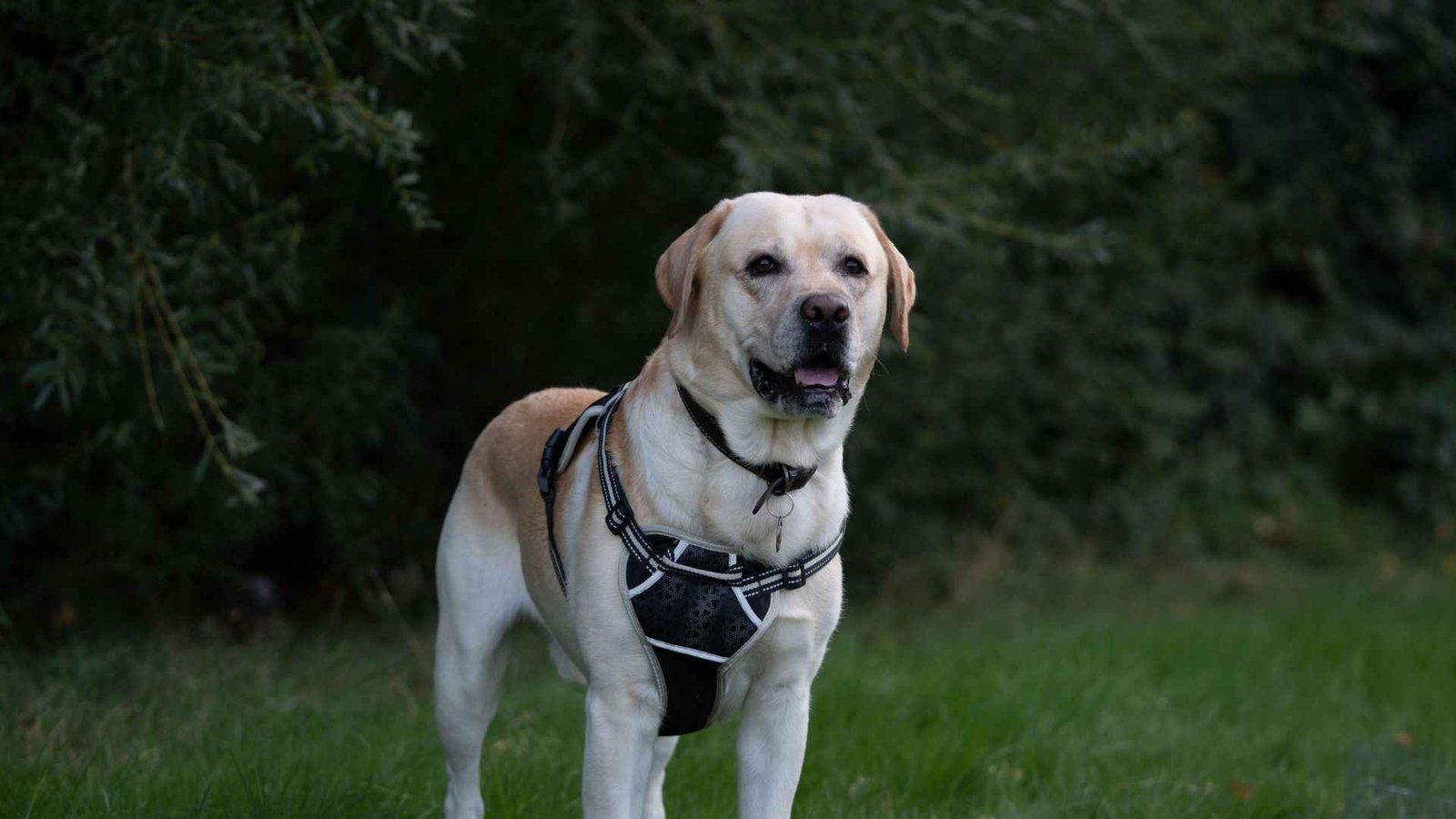
1. Labrador Retriever
The Labrador Retriever is one of the most recognizable family dog choices, and for good reason. Labs are generally social, energetic, and eager to participate in family activities.
They can be especially appealing to families that enjoy outdoor activities and have time for regular exercise and training.
Best for: Active families that want an affectionate, playful companion.
Keep in mind: Labradors need plenty of physical activity and can shed considerably.
2. Golden Retriever
Golden Retrievers are another popular choice for families because of their generally friendly and people-oriented nature. Their intelligence and willingness to learn can also make training rewarding.
They tend to suit households that can give them plenty of exercise, interaction, and attention.
Best for: Active families looking for a highly involved companion dog.
Keep in mind: Their exercise needs and heavy coat require a commitment to daily activity and grooming.
3. Beagle
Beagles are smaller than many traditional family dogs but can bring plenty of energy and personality into a household. They are playful and can make engaging companions for families that enjoy an active lifestyle.
Their strong sense of smell can also influence their behavior. A Beagle may become distracted when following an interesting scent, so secure outdoor areas and consistent training are important.
Best for: Playful families that want a smaller, energetic dog.
Keep in mind: Beagles can be vocal and may require patience with training.
4. Cavalier King Charles Spaniel
The Cavalier King Charles Spaniel can be a good option for families looking for a smaller companion. Its affectionate nature and manageable size can make it appealing to households that do not want a large dog.
Like any breed, Cavaliers still need appropriate exercise, training, socialization, and care.
Best for: Families wanting a smaller companion with a gentle, affectionate personality.
Keep in mind: Smaller size does not mean children should be allowed to handle the dog roughly.
5. Poodle
Poodles come in different sizes, giving families more flexibility when considering a dog that matches their living situation. They are intelligent and highly trainable, which can be a major advantage for households willing to provide mental stimulation.
Their coat also tends to shed less than many traditional dog coats, although this does not mean they are maintenance-free.
Best for: Families that enjoy training and want an intelligent, active companion.
Keep in mind: Poodles need regular grooming and mental stimulation.

6. Collie
Collies are intelligent, responsive dogs that can form strong bonds with their families. Their attentive nature can make them rewarding companions for households that have time for training and interaction.
They can be particularly appealing to families looking for a dog that enjoys participating in everyday activities.
Best for: Families wanting an intelligent and attentive companion.
Keep in mind: Their coat and activity requirements should be considered before adoption.
7. Cocker Spaniel
Cocker Spaniels can be a good fit for families looking for a medium-sized dog with an affectionate and playful personality. They generally enjoy spending time with people and can be enthusiastic participants in family activities.
Their energy level means they benefit from regular walks, play, and training rather than being left inactive for long periods.
Best for: Families wanting a playful medium-sized companion.
Keep in mind: Their coat requires regular grooming and their exercise needs should not be overlooked.
8. Bernese Mountain Dog
The Bernese Mountain Dog is a large breed known for its gentle appearance and affectionate family-oriented nature. Its size and strength mean families need to teach children appropriate ways to interact with it and provide adequate space.
This breed is generally better suited to families that have room for a large dog and can accommodate its grooming and exercise needs.
Best for: Families with enough space for a large companion dog.
Keep in mind: Its substantial size and thick coat require a serious commitment from the household.
9. Newfoundland
Newfoundlands are giant dogs, but their size should not be confused with an inability to live peacefully in a family environment. They are often valued for their gentle and patient nature.
Because of their enormous size, however, families need to think carefully about space, handling, grooming, and supervision around younger children.
Best for: Families with plenty of space who want a gentle giant.
Keep in mind: A giant breed brings significantly greater food, grooming, space, and general-care requirements.
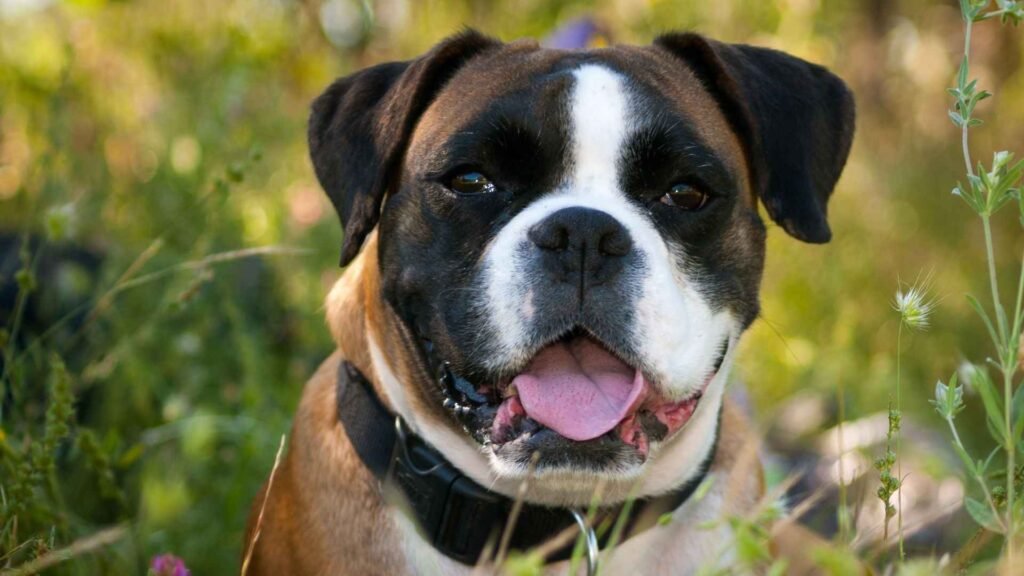
10. Boxer
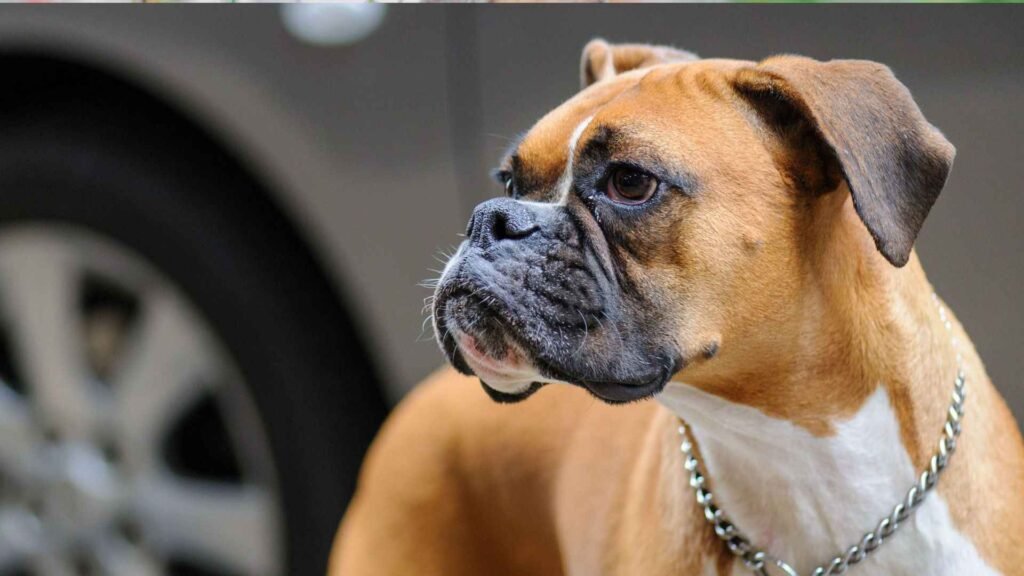
Boxers are energetic, playful dogs that can suit families who enjoy an active lifestyle. Their enthusiasm can make them entertaining companions, particularly for households with older children who understand how to interact appropriately with dogs.
Their strength and energetic play style mean training and supervision are particularly important.
Best for: Active families with time for exercise and training.
Keep in mind: Their energetic behavior may be challenging for households looking for a calm, low-maintenance dog.
11. Bichon Frise
The Bichon Frise is a small companion breed that can work well for families looking for a dog that does not require the physical space of a large breed. Its cheerful personality can make it an enjoyable household companion.
Despite its small size, it still needs socialization, training, play, and appropriate handling.
Best for: Families looking for a smaller companion dog.
Keep in mind: Its coat needs consistent grooming, and young children should be taught to handle a small dog gently.
12. French Bulldog
French Bulldogs can appeal to families looking for a smaller dog with relatively modest exercise requirements. They can be affectionate companions and may suit households that do not want a highly athletic breed.
However, prospective owners should research the breed’s health and care requirements carefully rather than choosing one solely because of its convenient size.
Best for: Families looking for a companion-oriented dog with lower exercise demands.
Keep in mind: Breed-specific health considerations should be part of the decision.

13. Irish Setter
Irish Setters are energetic, athletic dogs that can be excellent companions for families prepared to provide substantial daily activity. They are better suited to households that genuinely enjoy spending time outdoors.
Their energy can become difficult to manage when exercise, training, and mental stimulation are insufficient.
Best for: Very active families that enjoy outdoor activities.
Keep in mind: This is not an ideal choice for a family looking for a quiet, low-exercise dog.
14. Shih Tzu
Shih Tzus are small companion dogs that can suit families wanting a compact pet. Their relatively small size can make them practical for homes where a large dog would be difficult to accommodate.
Families with young children should still provide close supervision because a small dog can be injured by rough or accidental handling.
Best for: Families seeking a small companion for a less physically demanding lifestyle.
Keep in mind: Regular coat care and gentle handling are important.
15. Mixed-Breed Dogs
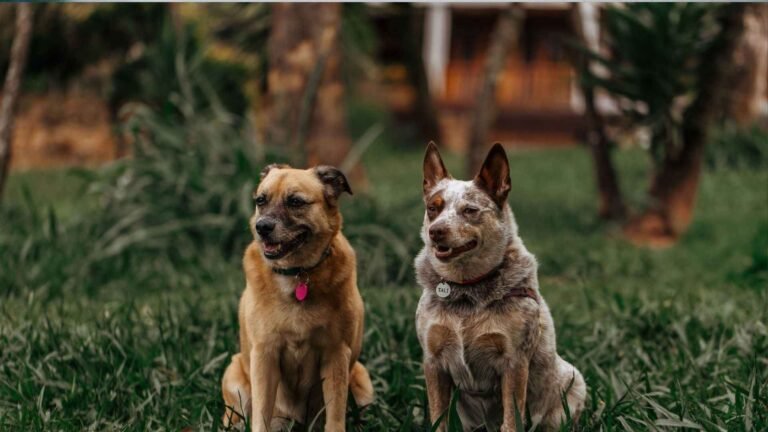
A family does not have to choose a purebred dog to find an excellent companion. Mixed-breed dogs can also make wonderful family pets, and adoption gives families an opportunity to evaluate an individual dog’s personality rather than relying entirely on breed expectations.
When considering an individual dog, ask about its behavior around children, other animals, strangers, and everyday household activity.
Best for: Families willing to evaluate an individual dog’s temperament and needs.
Keep in mind: Focus on the specific dog’s personality, history, behavior, and care requirements.
Best Family Dogs by Lifestyle
There is no single winner for every household. Your family’s routine can narrow down the choices considerably.
| If your family… | Breeds to consider |
|---|---|
| Loves outdoor activities | Labrador Retriever, Golden Retriever, Irish Setter |
| Wants a smaller companion | Cavalier King Charles Spaniel, Bichon Frise, Shih Tzu |
| Has plenty of space | Newfoundland, Bernese Mountain Dog, Golden Retriever |
| Enjoys training and mental activities | Poodle, Labrador Retriever, Collie |
| Wants an energetic playmate | Beagle, Boxer, Cocker Spaniel |
| Prefers a lower-exercise lifestyle | Shih Tzu, Bichon Frise, French Bulldog |
These aren’t guarantees of compatibility. They are starting points for researching breeds that may fit a particular lifestyle.
Are Certain Dog Breeds Better for Families With Young Children?
Breed can provide useful clues about size, energy, and typical temperament, but it should never be the only factor in the decision.
A family with toddlers has different practical needs from a family with teenagers. Younger children may need particularly close supervision around any dog, while older children can often participate more actively in training, exercise, and responsible care.
Parents should also teach children basic dog-safety habits, including:
- Don’t pull a dog’s ears, tail, or fur.
- Don’t climb on or ride a dog.
- Don’t disturb a dog while it is eating or sleeping.
- Don’t take toys or food away from a dog unless an adult is supervising appropriately.
- Give the dog a quiet place where it can retreat.
- Learn to recognize when the dog wants space.
Never leave young children unsupervised with a dog, regardless of the breed.
How to Choose the Right Family Dog
Before bringing a dog home, ask your family a few practical questions.
How active are you?
If your family enjoys long walks, hiking, and outdoor play, an energetic breed may be a good match. If your household has limited time for exercise, a high-energy dog may create problems.
How much space do you have?
A large dog needs enough room to move comfortably, and families should consider where the dog will sleep, eat, play, and exercise.
Who will handle daily care?
Feeding, walking, training, grooming, cleaning, and veterinary care all require time. Don’t choose a dog assuming that children will handle responsibilities they may not be ready to manage.
Do you already have other pets?
If you have cats or other animals, investigate how the breed and individual dog typically behaves around them. More importantly, assess the specific dog’s temperament and introduce animals carefully.
Can you commit to training?
Even a naturally friendly dog needs boundaries and socialization. Consistent training helps establish predictable behavior and makes life easier for everyone.
Family Dog FAQs
What is the best family dog breed?
There is no single best breed for every family. Labrador Retrievers and Golden Retrievers are popular choices, but the right breed depends on your family’s activity level, home, children’s ages, experience, and ability to meet the dog’s needs.
What is the best dog for families with kids?
Several breeds can potentially suit families with children, including Labrador Retrievers, Golden Retrievers, Beagles, Poodles, and Cavalier King Charles Spaniels. However, individual temperament and appropriate supervision matter just as much as breed.
Are small dogs better for children?
Not necessarily. Small dogs may be easier to accommodate in some homes, but they can also be more physically vulnerable to accidental rough handling. Parents should choose based on temperament and lifestyle rather than size alone.
Should I choose a puppy or an adult dog for my family?
Both can work. Puppies require substantial training, socialization, supervision, and patience. An adult dog may have a more established personality, making it easier to evaluate whether its temperament fits your household.
What should children learn before getting a family dog?
Children should learn to respect the dog’s space, avoid rough handling, and understand that a dog is a living animal rather than a toy. Adults should remain responsible for supervision and the dog’s overall welfare.

Final Thoughts
The best family-friendly dog breeds isn’t necessarily the most popular breed or the one that appears first on a list. It is the dog whose needs and temperament fit your family’s real lifestyle.
Think about your children’s ages, activity level, available space, grooming commitment, training experience, and the amount of time your household can realistically devote to a dog.
Most importantly, look beyond the breed label. Every dog is an individual. A thoughtful match, proper socialization, consistent training, and respectful interaction between children and dogs can help create a much better foundation for family life with a pet.