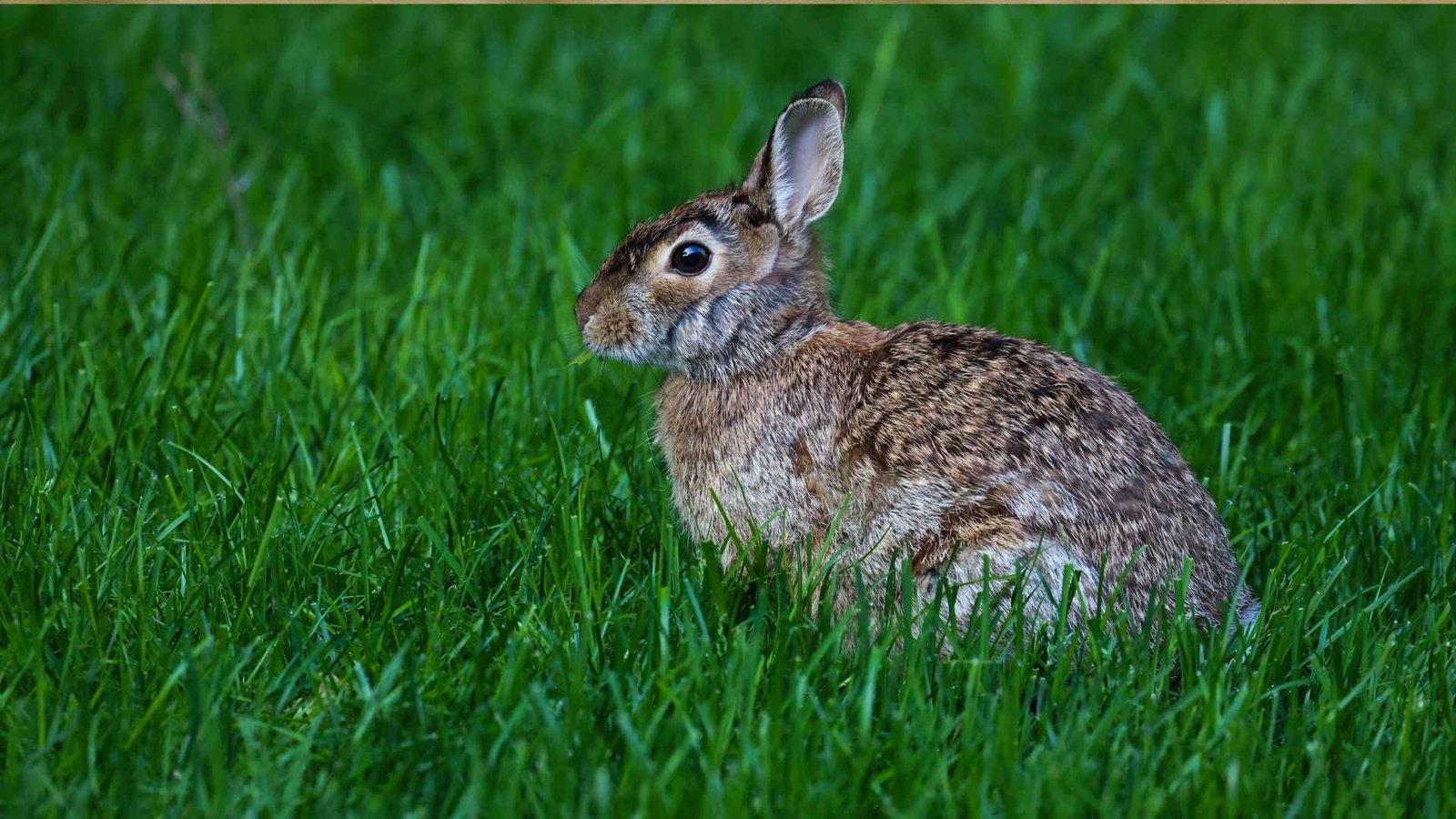
Rabbit Care Guide for Beginners 2026
Rabbit Care Guide for Beginners
Rabbits can be wonderful companions, but they are often misunderstood as easy, low-maintenance pets. In reality, rabbits have specific needs related to diet, housing, exercise, social interaction, grooming, and veterinary care.
Before bringing a rabbit home, it is important to understand that rabbits are not simply small animals that can live alone in a cage. They are intelligent, active, and social animals that need enough space to move, opportunities for enrichment, and a carefully managed diet.
A well-cared-for rabbit can become an affectionate and engaging companion. However, responsible rabbit ownership requires preparation and a long-term commitment.
This beginner’s guide explains the basics of rabbit care and what new owners should know about providing a safe, healthy, and comfortable life.
Quick Answer
Proper rabbit care includes providing a spacious and safe living area, unlimited access to suitable grass hay, fresh water, an appropriate diet, regular exercise, enrichment, grooming, and veterinary care from a professional experienced with rabbits.
Rabbits are social animals and should not be treated as low-maintenance pets. They need daily attention, a clean environment, and opportunities to express natural behaviors.

Rabbit Care at a Glance
| Care Area | Basic Requirement | Why It Matters |
|---|---|---|
| Housing | Spacious, safe enclosure and exercise area | Supports movement and comfort |
| Diet | Unlimited suitable grass hay and balanced nutrition | Supports digestion and dental health |
| Water | Fresh, clean water at all times | Helps maintain hydration |
| Exercise | Daily opportunities to move and explore | Supports physical and mental health |
| Enrichment | Toys, tunnels, and safe activities | Helps prevent boredom |
| Grooming | Regular coat and nail care | Supports hygiene and comfort |
| Veterinary Care | Regular access to a rabbit-experienced veterinarian | Helps prevent and identify health problems |
Understanding Rabbit Behavior
Rabbits are prey animals, which can influence how they behave.
They may be naturally cautious, especially in unfamiliar environments.
A new rabbit may need time to become comfortable with:
- People
- New sounds
- New surroundings
- Handling
Patience is important.
Avoid forcing a rabbit to interact with you before it feels comfortable.
Instead, spend quiet time near your rabbit and allow it to approach you.
Rabbits communicate through body language.
Learning about rabbit behavior can help you understand when your rabbit is:
- Relaxed
- Curious
- Frightened
- Stressed
- Excited
Every rabbit has an individual personality.
Choose the Right Living Space
One of the most important parts of rabbit care is providing enough space.
Rabbits need room to move naturally.
A small cage may not provide enough space for a rabbit to:
- Stretch fully
- Stand upright
- Hop comfortably
- Explore
A rabbit’s living environment should include a comfortable resting area as well as enough space for movement.
Many owners provide a larger pen or rabbit-proofed room.

Indoor or Outdoor Rabbits
Rabbits can be kept in different environments, but safety should always be the priority.
Indoor Rabbits
Keeping a rabbit indoors can make it easier to:
- Monitor health
- Protect against predators
- Provide regular interaction
- Maintain a stable environment
However, indoor rabbits still need enough space and exercise.
Outdoor Rabbits
Outdoor housing may expose rabbits to additional risks, including:
- Extreme temperatures
- Predators
- Parasites
- Stressful environmental conditions
Outdoor rabbits require secure and weather-appropriate housing.
In many situations, indoor living may provide a safer and easier-to-monitor environment.
Rabbit-Proof Your Home
Rabbits are naturally curious and may chew objects.
Before allowing your rabbit to explore, remove or protect potential hazards.
Common dangers include:
- Electrical cords
- Toxic plants
- Household chemicals
- Small objects
- Unsafe materials
Protect electrical cords and supervise your rabbit when exploring new areas.
Rabbit-proofing is an important part of preventing injuries.
Provide the Right Diet
Diet is one of the most important aspects of rabbit care.
Rabbits have sensitive digestive systems and require a diet that supports normal digestion.
Grass Hay
Suitable grass hay should form an important part of an adult rabbit’s diet.
Many rabbits need constant access to appropriate grass hay.
Hay can support:
- Normal digestion
- Natural chewing behavior
- Dental health
The appropriate type of hay can depend on the rabbit’s age and individual needs.
Ask a rabbit-experienced veterinarian for guidance.
Fresh Leafy Greens
Appropriate leafy greens may be included as part of a balanced diet.
However, dietary changes should be made gradually.
Not every vegetable is appropriate for every rabbit.
Research foods carefully before offering them.
Rabbit Pellets
Commercial rabbit pellets may provide part of a balanced diet.
However, pellets should not automatically replace hay.
The appropriate amount depends on factors such as:
- Age
- Size
- Activity level
- Health
Follow veterinary guidance when determining portions.
Fresh Water
Fresh, clean water should always be available.
Some rabbits drink from bowls, while others may use bottles.
A heavy, stable water bowl can be easy for many rabbits to use.
Clean and refill the water regularly.
Foods to Avoid
Do not assume that every fruit or vegetable is safe for rabbits.
Some foods can be inappropriate or harmful.
Avoid feeding foods without checking whether they are suitable for rabbits.
Also, avoid giving large amounts of sugary treats.
If you are unsure about a food, consult a veterinarian experienced with rabbits.

Exercise and Play
Rabbits need regular opportunities to move.
Exercise can support physical health and provide mental stimulation.
A rabbit should have a safe area where it can:
- Hop
- Run
- Explore
- Stretch
The amount of exercise and space needed can depend on the individual rabbit.
Supervised exercise in a rabbit-proofed area can be beneficial.
Enrichment for Rabbits
Rabbits are intelligent and curious animals.
A boring environment can lead to frustration and unwanted behaviors.
Provide safe enrichment opportunities.
These may include:
- Cardboard boxes
- Tunnels
- Safe chew toys
- Digging areas
- Hideouts
Rotate toys occasionally to provide variety.
Always make sure materials are safe for rabbits.
Social Needs
Rabbits are social animals.
Their social needs should be taken seriously.
Some rabbits may benefit from living with a compatible rabbit companion.
However, introducing rabbits requires careful planning.
Not every rabbit will immediately accept another rabbit.
Introducing unfamiliar rabbits too quickly can result in fighting and injuries.
Speak with an experienced rabbit rescue organization or veterinarian if you are considering bonding rabbits.
Handling Your Rabbit
Rabbits have delicate bodies and can be injured if handled incorrectly.
Many rabbits also dislike being picked up.
Avoid grabbing or lifting a rabbit suddenly.
When handling is necessary, provide proper support.
Never lift a rabbit by:
- The ears
- The scruff of the neck
If you are unsure how to safely handle your rabbit, ask a qualified professional to demonstrate.
Spend Time on the Floor
A good way to interact with a rabbit is to sit quietly on the floor.
Allow your rabbit to approach you.
This can help build trust.
You may notice that your rabbit becomes more confident over time.
Avoid chasing your rabbit for attention.
Let interaction develop naturally.
Rabbit Grooming
Grooming needs depend on the rabbit’s coat type.
Brushing
Regular brushing can help remove loose fur.
This can be especially important during periods of increased shedding.
Rabbits should not be allowed to consume excessive amounts of loose fur while grooming themselves.
Use a gentle brush suitable for rabbits.
Nail Trimming
Rabbit nails may need regular trimming.
Overgrown nails can affect movement and comfort.
If you are unsure how to trim nails safely, ask a veterinarian or experienced professional for assistance.
Do Not Bathe Your Rabbit
Routine bathing can be stressful and potentially dangerous for rabbits.
Do not bathe a rabbit unless specifically advised by a qualified veterinarian.
If your rabbit becomes dirty or develops hygiene problems, seek professional advice.

Litter Training a Rabbit
Many rabbits can learn to use a litter area.
Start by observing where your rabbit naturally prefers to eliminate.
Place an appropriate litter box in that location.
Use rabbit-safe litter.
Do not use products that may be unsafe if eaten.
Place hay near the litter area if appropriate, as rabbits often eat while using their toilet area.
Clean the box regularly.
Patience and consistency are important.
Cleaning Your Rabbit’s Living Area
A clean environment helps support your rabbit’s health.
Regularly:
- Remove soiled bedding
- Clean litter areas
- Wash food dishes
- Refresh water
- Check the living space for hazards
The exact cleaning routine depends on the rabbit’s environment.
Avoid using strong chemicals without ensuring the area is safe for your rabbit.
Rabbit Health and Veterinary Care
Rabbits need access to appropriate veterinary care.
Not all veterinarians have the same level of experience with rabbits.
Before bringing a rabbit home, locate a veterinarian experienced with rabbit care.
Rabbits can sometimes hide signs of illness.
Because they are prey animals, they may not show obvious symptoms until a problem becomes serious.
Watch for changes in:
- Appetite
- Activity
- Droppings
- Behavior
- Breathing
- Movement
A rabbit that suddenly stops eating or produces significantly fewer droppings may require urgent veterinary attention.
Contact a veterinarian promptly if you notice concerning changes.
Rabbit Dental Health
Rabbit teeth continuously grow.
Regular chewing on appropriate foods, including suitable hay, plays an important role in natural tooth wear.
Dental problems can affect a rabbit’s ability to eat.
Signs of possible problems may include:
- Reduced appetite
- Dropping food
- Changes in eating behavior
- Wet fur around the mouth
Contact a rabbit-experienced veterinarian if you notice unusual symptoms.
Understanding Rabbit Droppings
A rabbit’s droppings can provide useful information about digestive health.
You may notice changes in:
- Size
- Quantity
- Shape
- Frequency
Normal digestive output can vary, but significant changes should not be ignored.
If you notice a sudden reduction in droppings, especially along with reduced appetite, contact a veterinarian.
Keep Your Rabbit at a Comfortable Temperature
Rabbits can be sensitive to extreme temperatures.
Provide a comfortable environment and avoid exposing your rabbit to excessive heat.
Ensure your rabbit has:
- Shade
- Ventilation
- Fresh water
- A comfortable resting area
Do not place your rabbit’s enclosure in direct sunlight for long periods.
If you are concerned about temperature conditions, ask your veterinarian for advice.
Common Beginner Mistakes
Keeping a Rabbit in a Small Cage
Rabbits need enough space to move naturally.
Feeding Too Many Treats
Sugary treats should not replace a balanced diet.
Providing Too Little Hay
Hay is an important part of rabbit nutrition.
Assuming Rabbits Do Not Need Veterinary Care
Rabbits require professional healthcare.
Picking Up the Rabbit Too Often
Many rabbits prefer interaction at ground level.
Ignoring Changes in Appetite
Changes in eating behavior can be important.
Preparing for a Rabbit Before Bringing One Home
Prepare your home before your rabbit arrives.
You may need:
- A spacious living area
- Suitable grass hay
- Food dishes
- Fresh water containers
- A litter box
- Rabbit-safe litter
- Hideouts
- Safe toys
- Grooming tools
Preparation can help your rabbit settle into its new environment.
How Long Do Rabbits Live?
A rabbit can be a long-term commitment.
Lifespan can vary depending on factors such as:
- Breed
- Genetics
- Diet
- Environment
- Veterinary care
Before getting a rabbit, be prepared to provide responsible care throughout its life.
Is a Rabbit the Right Pet for You?
Before choosing a rabbit, consider whether you can provide:
- Daily care
- Enough space
- Appropriate food
- Regular cleaning
- Veterinary care
- Exercise
- Social interaction
Rabbits can be rewarding companions, but they are not low-maintenance pets.
Research and preparation are essential.
Final Thoughts
Rabbit care involves much more than providing a cage and food.
A healthy rabbit needs a spacious and safe environment, an appropriate diet with suitable grass hay, fresh water, regular exercise, enrichment, grooming, and access to rabbit-experienced veterinary care.
Rabbits are intelligent and social animals with unique personalities and needs. Taking time to understand rabbit behavior and providing opportunities for natural activities can help create a better quality of life.
New rabbit owners should prepare their home carefully, learn about proper nutrition, and establish a relationship with a qualified veterinarian.
With patience, responsible care, and a suitable environment, a rabbit can become a fascinating and rewarding companion.
Frequently Asked Questions
1. Are rabbits good pets for beginners?
Rabbits can be suitable for beginners who are willing to learn about their specific care needs. However, they are not low-maintenance pets and require daily care, space, proper nutrition, and veterinary attention.
2. What should rabbits eat every day?
A rabbit’s diet should include appropriate grass hay as a major component, along with fresh water and other suitable foods based on age and individual needs. Ask a rabbit-experienced veterinarian for specific dietary guidance.
3. Can rabbits live in small cages?
A small cage is generally not enough to meet a rabbit’s need for movement. Rabbits need a spacious and safe environment where they can stretch, hop, and explore.
4. Do rabbits need exercise?
Yes. Rabbits need regular opportunities to move and explore in a safe environment. Exercise supports both physical and mental well-being.
5. How often should rabbits visit a veterinarian?
The appropriate veterinary schedule can depend on the rabbit’s age, health, and local recommendations. It is important to establish care with a veterinarian experienced with rabbits and seek prompt advice when health concerns occur.