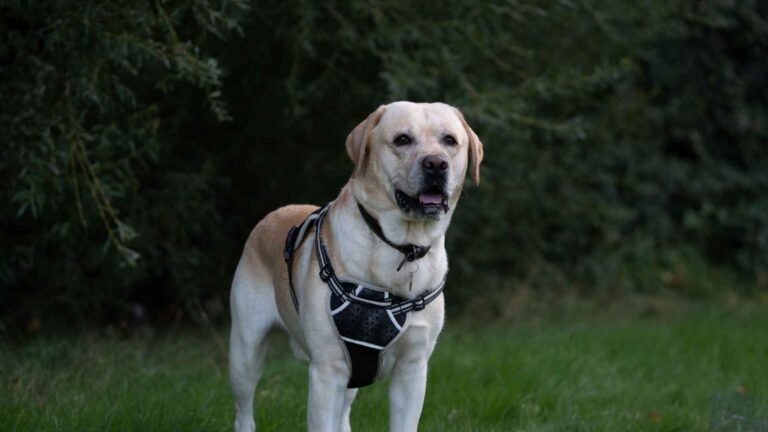
How to Choose the Right Dog Breed for Your Lifestyle 2026
How to Choose the Right Dog
Choosing a dog is an exciting decision, but finding the right dog breed involves much more than choosing a dog based on appearance. A dog can become an important part of your life for many years, so it is important to choose one whose needs, personality, and energy level fit your lifestyle.
Different dog breeds were developed for different purposes. Some were bred for herding, hunting, guarding, companionship, or working closely with people. As a result, dogs can vary greatly in their exercise needs, size, temperament, grooming requirements, and training needs.
The best dog breed is not necessarily the most popular or attractive breed. It is the breed that fits your home, schedule, experience, and ability to provide lifelong care.
This guide explains how to choose the right dog breed for your lifestyle and the most important factors to consider before bringing a new dog home.
Start by Looking at Your Lifestyle
Before researching specific breeds, take an honest look at your daily life.
A dog will need time, attention, exercise, training, and care. Your lifestyle can help determine what type of dog may be a good match.
Ask yourself questions such as:
- How much time do I spend at home?
- How active am I?
- How much exercise can I provide every day?
- Do I live in an apartment or a house?
- Do I have children or other pets?
- How much grooming can I manage?
- Have I owned a dog before?
- How much can I afford to spend on dog care?
Being realistic about these questions can help prevent problems later.
For example, a highly energetic working breed may not be the best choice for someone who spends long hours away from home and prefers a quiet lifestyle.
Similarly, a large dog may not be practical for every living situation.

Consider Your Activity Level
One of the most important factors when choosing a dog breed is energy level.
Dogs have different exercise needs. Some are happy with regular walks and moderate activity, while others need significant physical exercise and mental stimulation.
Low-Energy Dogs
Lower-energy dogs may be suitable for people who prefer a quieter lifestyle.
However, low energy does not mean no exercise.
Every dog needs regular movement and opportunities to stay physically and mentally healthy.
A lower-energy dog may be more comfortable with:
- Daily walks
- Short play sessions
- Moderate activity
- Relaxing at home
Individual personality is also important. Not every dog within a breed will have the same energy level.
Moderate-Energy Dogs
Moderate-energy dogs often enjoy regular walks, playtime, and family activities.
They may be suitable for people who can provide consistent daily activity without spending several hours on intense exercise.
For many families, a moderate-energy dog can be easier to fit into everyday life.
High-Energy Dogs
High-energy dogs often need much more physical activity and mental stimulation.
These dogs may enjoy:
- Running
- Hiking
- Training
- Dog sports
- Interactive games
- Outdoor activities
Without enough exercise and stimulation, some highly energetic dogs may become bored or develop unwanted behaviors.
Before choosing an active breed, ask yourself whether you can consistently provide enough activity throughout the dog’s life.
Think About Your Living Space
Your home is another important consideration.
Many people assume that only small dogs can live in apartments. This is not always true.
A dog’s energy level, behavior, and exercise needs can sometimes be more important than its size.
However, living space still matters.
Apartment Living
If you live in an apartment, consider:
- Available space
- Access to outdoor areas
- Exercise opportunities
- Noise levels
- Building rules
- Your neighbors
Some dogs may adapt well to apartment living if they receive enough exercise.
However, dogs that bark frequently or require extensive outdoor activity may create challenges.
Houses With Yards
A yard can provide additional space, but it does not replace regular walks, training, and interaction.
Dogs should not simply be left alone in a yard for long periods.
They still need:
- Exercise
- Social interaction
- Mental stimulation
- Training
A yard can be helpful, but responsible dog ownership requires much more than outdoor space.

Consider Dog Size
Dog breeds come in many sizes.
Before choosing a dog, think about whether you can comfortably care for a small, medium, large, or giant breed.
Small Dogs
Small dogs may require less physical space, but they still need training, exercise, and proper care.
They may be easier to transport and may consume less food than larger dogs.
However, small size does not automatically mean low energy.
Some small breeds are extremely active and energetic.
Medium Dogs
Medium-sized dogs can be a practical choice for many households.
However, their needs can vary significantly depending on the breed and individual dog.
Large and Giant Dogs
Large dogs require more space and can be more expensive to care for.
Consider costs related to:
- Food
- Beds
- Crates
- Medication
- Veterinary care
- Transportation
Large dogs may also be physically stronger, which can make training and handling especially important.
Before choosing a large breed, make sure you can safely manage the dog’s size and strength.
Research Temperament
A dog’s temperament can have a major effect on how well it fits into your household.
Different breeds may have general behavioral tendencies, but individual personality can vary.
Some dogs may be more:
- Social
- Independent
- Protective
- Playful
- Sensitive
- Energetic
- Reserved
Breed information can provide useful guidance, but it should not be treated as a guarantee.
A dog’s individual experiences, training, socialization, and environment can also influence behavior.
When researching breeds, think about the type of companion you want.
Do you prefer a highly social dog that enjoys meeting people?
Would you prefer a calm companion?
Are you comfortable with an independent dog?
Understanding your preferences can help you narrow your choices.
Consider Your Experience With Dogs
Some dog breeds may be easier for first-time owners than others.
This does not mean that one breed is universally good or bad.
Some dogs may simply require more experience, training knowledge, or time.
First-time dog owners may benefit from choosing a dog that is generally known for being:
- Trainable
- Adaptable
- Social
- Manageable
However, every dog is an individual.
A first-time owner should also be prepared to learn about:
- Basic training
- Dog behavior
- Socialization
- Nutrition
- Grooming
- Veterinary care
If you are considering a breed with specialized needs, research those requirements carefully.
Understand Training Needs
Every dog needs some level of training.
Training helps dogs understand household expectations and can improve communication between dogs and their owners.
Basic training may include:
- Responding to their name
- Coming when called
- Walking politely on a leash
- Basic commands
- House training
- Appropriate social behavior
Some dogs may be highly eager to work with people, while others may be more independent.
Dogs with strong instincts related to herding, hunting, guarding, or other activities may require additional training and management.
Before choosing a breed, consider how much time you can dedicate to consistent training.

Consider Grooming Requirements
Grooming needs can vary greatly between breeds.
Before choosing a dog, consider the amount of grooming you are willing and able to provide.
Short-Coated Dogs
Short-coated dogs may require less frequent coat maintenance, but they can still shed.
They may need:
- Regular brushing
- Occasional bathing
- Nail trimming
- Ear care
Long-Coated Dogs
Dogs with long coats may require more frequent grooming.
Depending on the breed, this may include:
- Regular brushing
- Removing tangles
- Professional grooming
- Coat trimming
Without proper grooming, some dogs can develop uncomfortable mats.
Double-Coated Dogs
Some breeds have thick double coats.
These dogs may shed heavily during certain times of the year.
Their grooming needs can require regular attention.
Before choosing a dog, research the specific grooming requirements of the breed.
Consider Shedding
Shedding is an important consideration for many households.
No dog should be chosen solely because of a claim that it will never shed.
Different dogs shed at different levels.
If shedding is important to you, research:
- Coat type
- Seasonal shedding
- Grooming requirements
Keep in mind that regular grooming can help manage loose hair, but it may not completely eliminate shedding.
Think About Children and Family Members
If you have children, the relationship between your family and a future dog is an important consideration.
Some dogs may be more tolerant of busy households, while others may prefer quieter environments.
However, no breed should automatically be considered completely safe around children.
Children should be taught how to interact respectfully with dogs.
They should understand that they should not:
- Pull a dog’s tail
- Disturb a dog while eating
- Disturb a sleeping dog
- Climb on a dog
- Tease a dog
Adult supervision is important when children and dogs interact.
A dog’s individual temperament and early experiences also matter.
Consider Other Pets
If you already have pets, think carefully about how a new dog may fit into the household.
Some dogs may have strong instincts to chase smaller animals.
Other dogs may be more comfortable living with other pets.
Consider the needs of your existing animals.
Introducing a new dog should be done carefully and gradually.
Do not assume that every dog will automatically get along with:
- Cats
- Other dogs
- Rabbits
- Birds
- Small pets
Researching a breed’s general tendencies can be helpful, but individual behavior is always important.
Understand the Financial Responsibility
Owning a dog can involve significant long-term expenses.
Before bringing a dog home, consider the costs of:
- Food
- Veterinary care
- Vaccinations
- Parasite prevention
- Grooming
- Training
- Toys
- Beds
- Crates
- Collars and leashes
Unexpected veterinary expenses can also occur.
Larger dogs may require larger amounts of food and higher doses of some medications.
Before choosing a dog breed, make sure you are financially prepared for responsible care.
Consider the Dog’s Lifespan
Dogs can be long-term companions.
Different breeds may have different average lifespans.
Before getting a dog, consider the long-term commitment involved.
Your lifestyle may change over the years.
You may move, change jobs, start a family, or experience other life changes.
A dog will still depend on you for care.
Choosing a dog should involve thinking beyond the first few months.

Puppies Are Not the Only Option
Many people immediately think about getting a puppy.
Puppies can be wonderful, but they require significant time and patience.
Puppy care may involve:
- House training
- Socialization
- Training
- Frequent supervision
- Chewing management
- Veterinary visits
An adult dog may already have some training and a more established personality.
Depending on your lifestyle, an adult dog may be an excellent choice.
Consider adoption and responsible rescue organizations when looking for a dog.
Avoid Choosing Based Only on Appearance
One of the biggest mistakes people make is choosing a dog only because they like its appearance.
A beautiful coat or popular appearance does not tell you:
- How much exercise the dog needs
- How difficult grooming may be
- How much training may be required
- Whether the dog’s personality fits your household
Before choosing a dog, learn about the breed’s overall needs.
The right dog should fit your lifestyle, not just your preferences for appearance.
Meet Dogs Before Making a Decision
Whenever possible, spend time around dogs before making a decision.
You may learn more about the type of dog you prefer by:
- Visiting responsible breeders
- Meeting dogs through friends or family
- Visiting adoption organizations
- Talking with experienced owners
If you are adopting a specific dog, spend time with that individual animal.
Individual personality matters.
Responsible Breeders and Adoption Organizations
If you decide to get a purebred dog, take time to research responsible breeders.
A responsible breeder should prioritize the health and welfare of their dogs.
Avoid making rushed decisions based on advertisements or low prices.
Adoption can also be a wonderful option.
Animal shelters and rescue organizations may have dogs of different:
- Ages
- Sizes
- Breeds
- Personalities
Staff and foster families may also provide useful information about a dog’s behavior and needs.
Make a List of Your Ideal Dog
A practical way to narrow your options is to create a list.
Divide your preferences into two categories.
Must-Haves
These are requirements that are essential for your lifestyle.
For example:
- Suitable for apartment living
- Moderate exercise needs
- Comfortable with children
Preferences
These are things you would like but may be flexible about.
For example:
- Specific coat color
- Small size
- Certain appearance
This approach can help you focus on the factors that matter most.
Questions to Ask Before Choosing a Breed
Before making your final decision, ask yourself:
- Can I provide enough daily exercise?
- Can I afford long-term care?
- Do I have enough time for training?
- Can I manage the dog’s grooming needs?
- Is my home suitable?
- Will the dog fit with my family?
- Can I provide care for the dog’s entire life?
Honest answers are important.
The goal is not to find a perfect dog.
The goal is to find a good match.
Take Your Time
Choosing a dog does not need to be rushed.
Spend time researching different breeds and individual dogs.
A decision made carefully can help create a better experience for both you and your future companion.
Avoid choosing a dog because:
- The breed is currently popular
- You saw the dog on social media
- You like the dog’s appearance
- Someone else owns the breed
Your lifestyle may be very different from another person’s.

Final Thoughts
Choosing the right dog breed for your lifestyle is one of the most important decisions you can make before becoming a dog owner.
The best choice depends on many factors, including your activity level, living space, experience, schedule, family situation, budget, and ability to provide long-term care.
Take time to research different breeds and consider individual personality as well.
Remember that every dog needs commitment, patience, training, healthcare, and companionship.
When you choose a dog whose needs match your lifestyle, you have a better opportunity to build a healthy and rewarding relationship.
The goal is not to find the most popular dog or the most beautiful breed.
The goal is to find a companion whose needs you can responsibly meet throughout its life.
A well-considered decision before bringing a dog home can make a meaningful difference for both you and your future companion.